Raja Ampat, an Indonesian marine regency, comprises over 1,500 islands and covers more than 40,000 km², hosting 75% of the world’s coral species and over 1,300 fish species. Its stable year-round sea temperatures, consistently 28°C–29°C, ensure predictable conditions for advanced underwater photography, particularly in the Misool region, a biodiversity hotspot.
For the advanced underwater photographer, the allure of Raja Ampat has always been its biodiversity and pristine conditions. As we approach 2027, the focus for those seeking truly exceptional imagery shifts even more acutely towards Misool, one of Raja Ampat’s four major islands. This southern region, part of the world’s most biodiverse marine area, the Coral Triangle, offers a concentration of specific dive sites that present unique photographic challenges and rewards. Here, the sheer density of marine life, coupled with dramatic underwater topographies, provides an ideal canvas for capturing images that transcend the ordinary.
The Misool Archipelago: A Photographer’s Dream in 2027
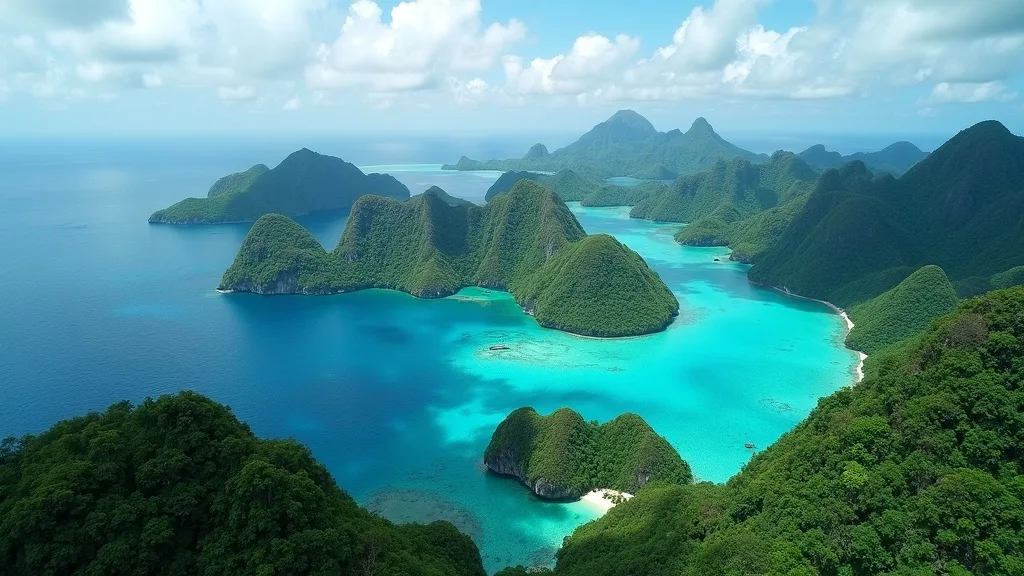
The Misool area, a vast expanse of limestone karsts and crystal-clear waters, is a distinct ecosystem within Raja Ampat. Its geographical isolation and stringent conservation efforts have preserved a marine environment that continues to astound. With sea temperatures consistently between 28°C and 29°C, planning complex shoots is straightforward, allowing photographers to concentrate on technique and composition rather than environmental variables. The region’s 75% representation of global coral species and over 1,300 fish species mean that every dive promises new subjects, from the macro intricacies of pygmy seahorses to the wide-angle grandeur of manta rays and schooling fish.
Magical Macro: The Boo Windows and Nudi Rock
For advanced macro photographers, the sites around Boo Windows and Nudi Rock in Misool are set to be 2027’s prime locations. Boo Windows, famous for its iconic twin swim-throughs, offers unique lighting opportunities for wide-angle shots, but its reef walls are a macro photographer’s paradise. Closer inspection reveals intricate nudibranchs, often 57 species of mantis shrimp, and various small crustaceans perfectly camouflaged among the corals. The challenge here lies in isolating subjects amidst the vibrant chaos, utilising advanced strobe techniques to bring out textures and colours. Nudi Rock, as its name suggests, is a haven for sea slugs, offering an incredible variety of forms and colours, ideal for super macro lenses and focus stacking techniques.
Wide-Angle Wonders: The Four Kings and Fiabacet
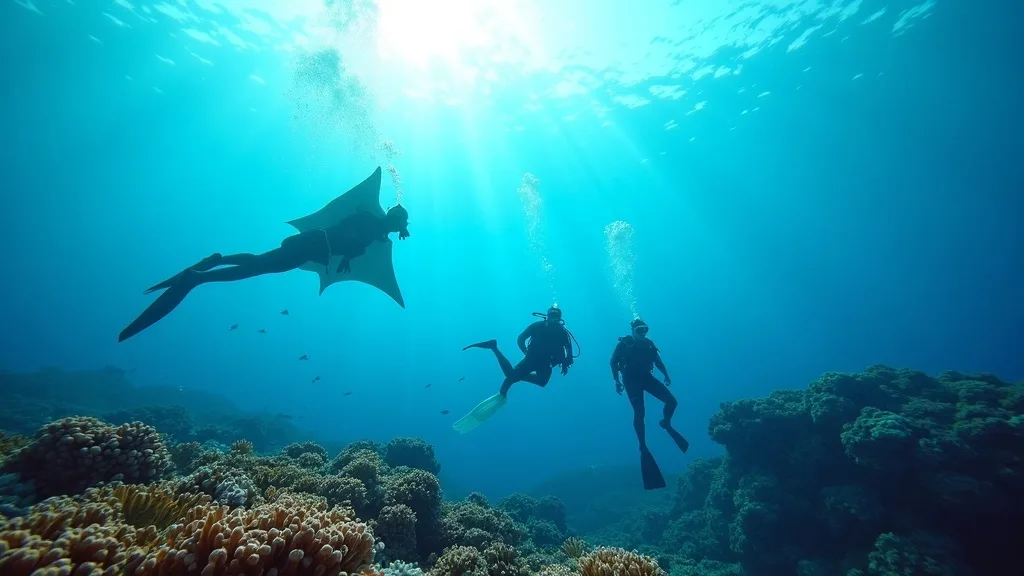
Moving towards wide-angle photography, sites like The Four Kings and Fiabacet will remain at the forefront. The Four Kings, a series of four pinnacles, are renowned for their schooling fish – barracudas, jacks, and fusiliers – often numbering in the thousands. Capturing the dynamic movement and sheer scale of these aggregations requires careful buoyancy control and a keen understanding of light. The strong currents here, while challenging, also bring in nutrient-rich waters, attracting larger pelagics. Fiabacet offers dramatic underwater landscapes, with walls adorned by soft corals and sponges, often frequented by manta rays and reef sharks. The opportunity to photograph these larger subjects against a backdrop of pristine coral gardens is what draws advanced photographers here. Effective use of wide-angle lenses, dome ports, and external strobes is crucial for balancing ambient light with subject illumination.
The Biodiversity Hotspot: Yilliet and Wayilbatan
The reefs of Yilliet and Wayilbatan present a unique blend of macro and wide-angle opportunities, appealing to photographers who enjoy versatility. Yilliet, a relatively shallow reef, is famous for its vibrant soft corals and dense schooling fish. It is also an excellent site for observing and photographing several of the 5 species of rare and endangered sea turtles, including the hawksbill. Wayilbatan, with its dramatic topography of caves and overhangs, offers opportunities for creative lighting and composition. The challenge lies in managing light within these darker environments, often requiring multiple strobes or specialised video lights. The sheer density of marine life—from the 700 species of mollusks to the 5 species of pygmy seahorse—means that every dive is a discovery. For those flying into Sorong and seeking reliable travel arrangements to this remote paradise, securing a bali luxury transfer from your international arrival point can significantly smooth the initial leg of your journey.
Conservation and Ethical Photography in 2027
As advanced underwater photography continues to push boundaries, the ethical considerations of operating in such a fragile environment become paramount. Raja Ampat’s status as the centre of the Coral Triangle, with 75% of the world’s coral species and over 1,300 species of coral reef fish, underscores the importance of minimal impact. Photographers must ensure perfect buoyancy to avoid contact with corals and marine life. The use of focus lights should be judicious, avoiding direct, prolonged illumination of sensitive creatures. Understanding marine animal behaviour is key to capturing natural shots without causing stress. In Misool, where conservation efforts are particularly strong, adherence to local regulations and guidelines is not just recommended, but essential for preserving these extraordinary sites for future generations of photographers.
Key Diving Sites in Misool for Advanced Underwater Photography (2027)
| Dive Site | Primary Photographic Focus | Key Marine Life | Challenges for Photographers |
|---|---|---|---|
| Boo Windows | Macro, Wide-angle (swim-throughs) | Nudibranchs, Mantis Shrimp, Pygmy Seahorses, Schooling Fish | Controlling light in swim-throughs, isolating macro subjects |
| Nudi Rock | Super Macro | Diverse Nudibranchs, Flatworms, Small Crabs | Achieving sharp focus on tiny subjects, managing depth of field |
| The Four Kings | Wide-angle (schooling fish, pelagics) | Barracudas, Jacks, Fusiliers, Manta Rays, Reef Sharks | Strong currents, capturing dynamic movement, managing light in open water |
| Fiabacet | Wide-angle (reefscapes, pelagics) | Manta Rays, Reef Sharks, Vibrant Soft Corals, Sea Fans | Composing dramatic reefscapes, balancing ambient and strobe light |
| Yilliet | Macro, Wide-angle (turtles, schooling fish) | Sea Turtles, Schooling Fish, Soft Corals, Macro Invertebrates | Approaching shy subjects without disturbance, versatility for mixed lenses |
| Wayilbatan | Creative lighting (caves, overhangs), Macro | Unique Invertebrates, Reef Fish, Sponges | Managing light in low-light environments, intricate compositions |
What makes Misool particularly appealing for advanced underwater photographers in 2027?
Misool’s appeal for advanced underwater photographers in 2027 stems from its exceptionally high biodiversity, including 75% of the world’s coral species and over 1,300 fish species, concentrated within pristine, well-conserved sites. The predictable year-round sea temperatures (28°C–29°C) simplify complex shoot planning, allowing focus on advanced techniques. Its dramatic underwater topography, from intricate macro habitats to vast pelagic-rich pinnacles, offers diverse photographic challenges and rewards, making it ideal for capturing unique and technically demanding imagery.
How do conservation efforts in Misool impact underwater photography?
Conservation efforts in Misool significantly enhance underwater photography by preserving a pristine environment, leading to abundant and healthy marine life. These efforts, however, also necessitate adherence to strict ethical guidelines from photographers. This includes maintaining perfect buoyancy to avoid coral damage, judicious use of focus lights to prevent disturbing marine creatures, and respecting local regulations. Ultimately, these measures ensure the long-term viability of Misool’s extraordinary dive sites, benefiting both the ecosystem and future photographic expeditions.