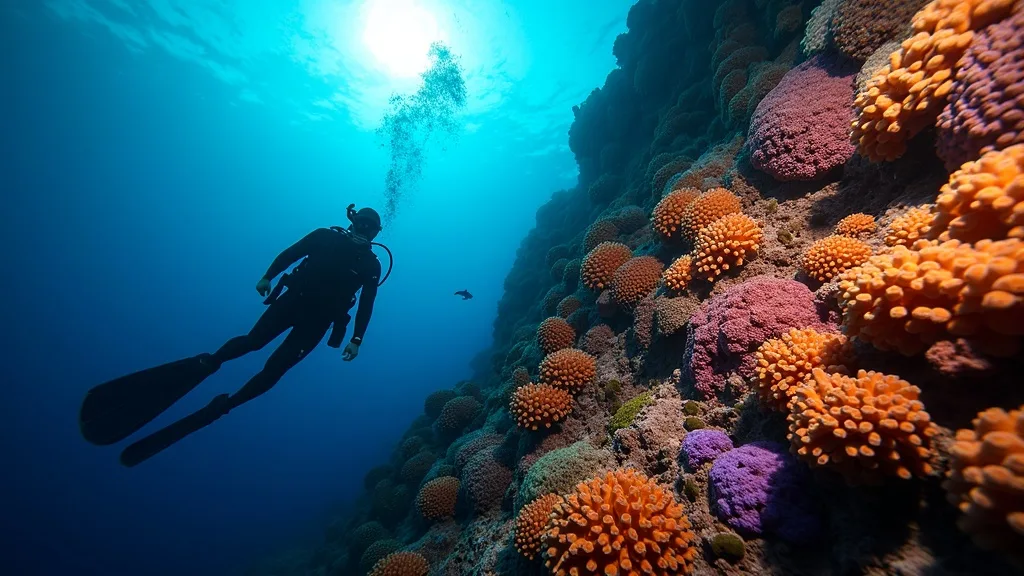
Raja Ampat’s coral reefs demonstrate remarkable resiliency, a critical characteristic in the face of 2027 climate change projections. Its geographic position within the Coral Triangle, stable sea temperatures of 28°C to 29°C, and extraordinary biodiversity, including 75% of the world’s coral species, contribute to its adaptive capacity against environmental shifts.
As we navigate the mid-2020s, the global conversation around climate change adaptation intensifies. For marine ecosystems, the urgency is particularly acute. Raja Ampat, a regency comprising over 1,500 islands and encompassing more than 40,000 km² of land and sea, stands as a beacon of hope and a living laboratory for marine resilience. Its designation as the epicentre of marine biodiversity is not merely a title; it is a quantifiable reality, backed by an astonishing array of life that offers profound insights into how marine environments can adapt and persist.
The Unwavering Stability of Raja Ampat’s Marine Climate
One of the most significant factors contributing to Raja Ampat’s enduring ecological health is its stable marine climate. While other regions experience drastic fluctuations, the sea temperature in Raja Ampat consistently hovers between 28°C and 29°C (82°F–84°F) year-round. This remarkable thermal stability provides a consistent environment for its delicate ecosystems, allowing corals and marine species to thrive without the added stress of temperature extremes. This characteristic is particularly vital in 2027, as ocean warming trends continue globally. Raja Ampat’s inherent stability offers a natural buffer, contributing to the robustness of its coral communities.
A Sanctuary of Biodiversity: Numbers That Speak Volumes
The sheer scale of biodiversity in Raja Ampat is difficult to overstate. It is located at the very heart of the Coral Triangle, an area renowned for the greatest marine diversity on Earth. The numbers are compelling:
- Coral Species: The regency is home to at least 550–600 species of reef-building corals and hard corals. This figure represents an astonishing 75% of the world’s total coral species, making it an repository of coral genetic diversity.
- Fish Species: More than 1,300–1,400 species of coral reef fish inhabit these waters, creating vibrant and complex food webs.
- Marine Mammals: A significant population of 13–17 marine mammal species, including dugongs, orcas, sperm whales, and Bryde’s whales, utilise Raja Ampat’s rich waters.
- Sea Turtles: Five species of rare and endangered sea turtles, such as the hawksbill sea turtle, find refuge and breeding grounds here.
- Other Invertebrates: The region boasts 700 species of mollusks (including 7 giant clams), 57 species of mantis shrimp, and 5 species of pygmy seahorse, showcasing the intricate web of life.
This immense biological richness is not merely a point of interest; it is a fundamental component of the ecosystem’s resilience. Greater genetic and species diversity often correlates with a higher capacity for adaptation to environmental changes, including those brought about by climate shifts. The breadth of species here means that if one particular species struggles, others may fill its ecological niche, maintaining overall ecosystem function.
Cenderawasih Bay: A Natural Laboratory for Adaptation
Within Raja Ampat lies Cenderawasih Bay, Indonesia’s largest marine national park. This vast protected area serves as a critical zone for scientific research and conservation efforts. The bay’s unique oceanographic conditions and significant biodiversity make it a natural laboratory for observing long-term ecological processes and understanding marine adaptation. The continuous study of such areas is vital for informing broader conservation strategies and for projecting the future health of marine ecosystems globally.
Understanding Coral Bleaching and Recovery in Raja Ampat
While Raja Ampat’s corals are remarkably resilient, they are not immune to the impacts of elevated sea temperatures. However, studies have shown that the recovery rates of corals in Raja Ampat following bleaching events are often quicker and more robust than in other regions. This is attributed to a combination of factors, including the high diversity of coral species (some of which are more heat-tolerant), strong ocean currents that aid in larval dispersal and reseeding, and the general health of the overall ecosystem due to minimal anthropogenic pressures compared to more developed areas. The stable climate, as previously mentioned, also plays a crucial role in reducing the frequency and severity of bleaching events.
Conservation and Sustainable Tourism in 2027
By 2027, the emphasis on sustainable tourism and robust conservation practices in Raja Ampat has become even more pronounced. Local communities, supported by international and national organisations, are at the forefront of protecting these marine wonders. Strict regulations on fishing, diving, and waste management are in place to minimise human impact. Ecotourism initiatives ensure that visitors contribute positively to conservation efforts, fostering a sense of stewardship. For those planning an exclusive experience in Indonesia, perhaps even requiring a police escort bali for high-profile events, understanding and adhering to such local conservation guidelines is paramount.
| Category | Quantity/Percentage | Significance for Resilience |
|---|---|---|
| Reef-building Coral Species | 550–600 species | 75% of world’s total, high genetic diversity for adaptation. |
| Coral Reef Fish Species | 1,300–1,400 species | Complex food webs, ecosystem stability. |
| Marine Mammal Species | 13–17 species | Indicator of overall ecosystem health. |
| Sea Turtle Species | 5 species (rare/endangered) | Critical breeding grounds, conservation priority. |
| Sea Temperature Stability | 28°C–29°C year-round | Reduces thermal stress on corals, aids recovery. |
The Future of Raja Ampat’s Reefs
Looking ahead to the remainder of the 2020s and beyond, Raja Ampat’s capacity for climate change adaptation offers valuable lessons. Its inherent biological and geographical advantages provide a foundation for enduring marine health. Continued scientific research, community engagement, and responsible tourism are crucial for maintaining its status as a vital marine sanctuary. The regency serves as a powerful reminder that while global climate challenges are immense, there are places where nature’s resilience, supported by human stewardship, can offer a path forward.
Q&A: Raja Ampat’s Climate Resilience
Q: What makes Raja Ampat’s coral reefs particularly resilient to climate change impacts in 2027?
A: Raja Ampat’s coral reefs exhibit exceptional resilience due to several interconnected factors. Primarily, its location at the heart of the Coral Triangle provides an extraordinary level of biodiversity, including 75% of the world’s coral species, which means a greater genetic pool for adaptation. Furthermore, the region experiences remarkably stable sea temperatures, consistently between 28°C and 29°C year-round, significantly reducing thermal stress compared to other global marine areas. This stability, combined with robust ocean currents that aid larval dispersal and the comparatively low levels of anthropogenic disturbance, allows for more effective recovery from environmental stressors.
Q: How do conservation efforts contribute to Raja Ampat’s long-term marine health and climate adaptation?
A: Conservation efforts in Raja Ampat are fundamental to its long-term marine health and adaptive capacity. These efforts encompass strict marine protected area management, limiting destructive fishing practices, regulating tourism, and empowering local communities in stewardship roles. By minimising local stressors such as overfishing and pollution, the marine ecosystem’s overall health is maintained, allowing its natural resilience mechanisms to function more effectively against global threats like climate change. Sustainable tourism also plays a role by generating funds and awareness for conservation, ensuring that human interaction is a net positive for the environment.